


Introduction: The Convergence of Robotics and Telecentric Optics
In the era of Industry 4.0, the synergy between robotic automation and machine vision has revolutionized manufacturing floors worldwide. Traditional robotic arms, once confined to repetitive blind movements, are now endowed with "eyes" that allow them to adapt to dynamically changing environments. However, the accuracy of any robot-guided positioning system is fundamentally limited by its optical input. Standard lenses introduce perspective errors, distortion, and magnification changes when the target object shifts along the optical axis. This is where the telecentric lens for robot-guided positioning becomes an indispensable asset.
Telecentric lenses are engineered to eliminate parallax error, ensuring that objects appear the same size regardless of their distance from the lens. By providing constant magnification over a defined depth of field, they enable robotic vision systems to calculate coordinates with sub-micron accuracy. This article explores the commercial and industrial landscape, key application scenarios, technological breakthroughs, and future trends of telecentric optics in robot-guided positioning.
Zero Parallax Error
Eliminates perspective distortion, ensuring consistent coordinate calculation across varying depths.
Sub-Micron Precision
Enables robotic arms to perform micro-assembly and wafer alignment with extreme repeatability.
Low Distortion
Ultra-low optical distortion yields highly accurate coordinate mapping for motion control.
Industrial Status & Commercial Landscape
The global demand for high-precision robot guidance systems is skyrocketing, driven by industries such as semiconductor fabrication, consumer electronics assembly, automotive manufacturing, and pharmaceutical packaging. According to market research, the integration of 3D vision and high-resolution telecentric optics into robotic workcells is growing at a compound annual growth rate (CAGR) exceeding 15%. Manufacturers no longer tolerate the calibration overhead and measurement inaccuracies associated with standard entocentric lenses.
Commercially, the shift toward miniaturized consumer electronics (like smartwatches and flexible displays) and advanced packaging in semiconductors requires positioning tolerances under 10 micrometers. Standard lenses fail under these conditions because even minor vibrations or workpiece height variations alter the perceived image scale, leading to positioning failures. Consequently, bi-telecentric lenses—which feature telecentricity on both the object and image spaces—have transitioned from laboratory measurement tools to standard components on high-speed production lines.
Deep-Dive Application Scenarios for Robot-Guided Positioning
1. Semiconductor Wafer Pick-and-Place & Die Bonding
In semiconductor back-end manufacturing, die bonding requires placing silicon dies onto substrates with micrometer-level accuracy. The robotic pick-and-place tool must recognize the alignment marks (fiducials) on both the wafer and the substrate. A telecentric lens mounted on a stationary camera or directly on the robot's end-effector provides an orthographic view. This ensures that even if the wafer is slightly warped or not perfectly flat, the alignment marks are detected at their true spatial positions without scaling errors, preventing chip misalignment and subsequent electrical failures.
2. Precision Automotive Connector Insertion & Pin Inspection
Modern electric vehicles (EVs) rely on complex electronic control units (ECUs) containing hundreds of closely spaced pins. Robots are tasked with inserting wiring harnesses and connectors into these housings automatically. Utilizing a telecentric lens allows the vision system to inspect the coplanarity and straightness of the connector pins from a top-down perspective. Because the lens does not suffer from perspective distortion, the robot can accurately guide the mating connector without damaging the delicate pins, ensuring reliable electrical connections.
3. Lithium-ion Battery Cell Assembly & Alignment
In EV battery production, pouch or prismatic cells must be stacked and aligned before welding. Any misalignment can cause localized stress or short circuits over time. Robot-guided positioning systems equipped with large-format telecentric lenses scan the edges of the battery sheets. The telecentric design ensures that the thickness variations of the sheets do not affect the edge detection accuracy, enabling the robotic stacker to align the layers with absolute consistency.
4. High-Speed PCB Component Assembly (SMT)
Surface Mount Technology (SMT) lines operate at blistering speeds. As components like 01005 passives become smaller, standard vision systems struggle to verify their placement coordinates. Telecentric lenses, combined with high-speed line scan or area scan sensors, allow the placement robot to verify component orientation and position on-the-fly. The depth of field provided by the telecentric lens ensures that components of varying heights remain in sharp focus and at the correct scale, facilitating real-time coordinate correction.
Technical Challenges & Solutions in Telecentric Robot Guidance
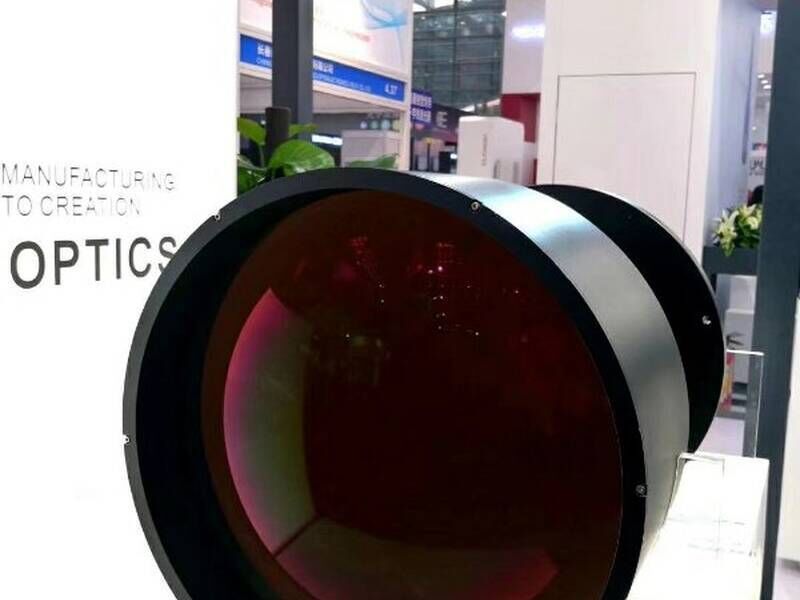
Implementing a telecentric lens in a robotic workcell is not without its challenges. The primary trade-off of a telecentric lens is its physical size: the front optical element must be at least as large as the desired Field of View (FOV). This makes large-FOV telecentric lenses heavy and bulky, posing challenges for end-effector mounting where weight limits are critical.
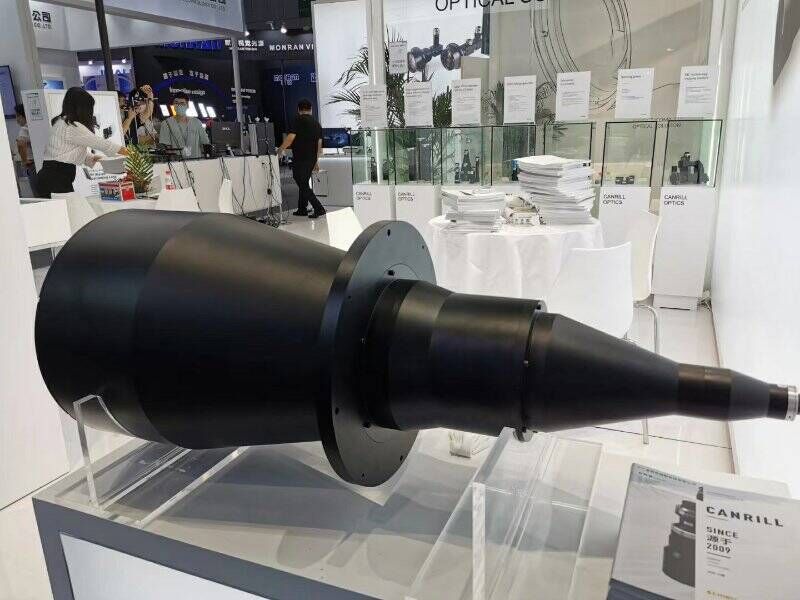
To overcome this, system integrators often employ a "look-down" configuration where the camera and telecentric lens remain stationary, and the robot moves the workpiece into the field of view. Alternatively, manufacturers like Canrill Optics have optimized lens designs using advanced lightweight materials and compact optical paths, making it feasible to mount high-precision telecentric lenses directly on collaborative robots (cobots).
Another challenge is lighting. Telecentric lenses require specialized illumination, such as coaxial lighting or collimated backlights, to fully leverage their optical advantages. Integrating these light sources into a dynamic robotic environment requires careful design to avoid mechanical interference while maintaining optimal contrast for the vision algorithms.
Future Trends: AI Integration and Dynamic Focusing
The future of robot-guided positioning lies in the fusion of telecentric optics with artificial intelligence (AI) and deep learning. While telecentric lenses provide geometrically perfect images, AI vision models process these images to recognize complex, irregular objects that traditional rule-based algorithms might miss. This combination allows robots to handle organic or flexible components with the same precision as rigid metal parts.
Furthermore, the integration of liquid lenses or active focusing mechanisms within telecentric designs is emerging. This technology allows the system to rapidly adjust focus for objects at vastly different heights while maintaining telecentric properties, eliminating the mechanical overhead of moving the entire camera assembly up and down.



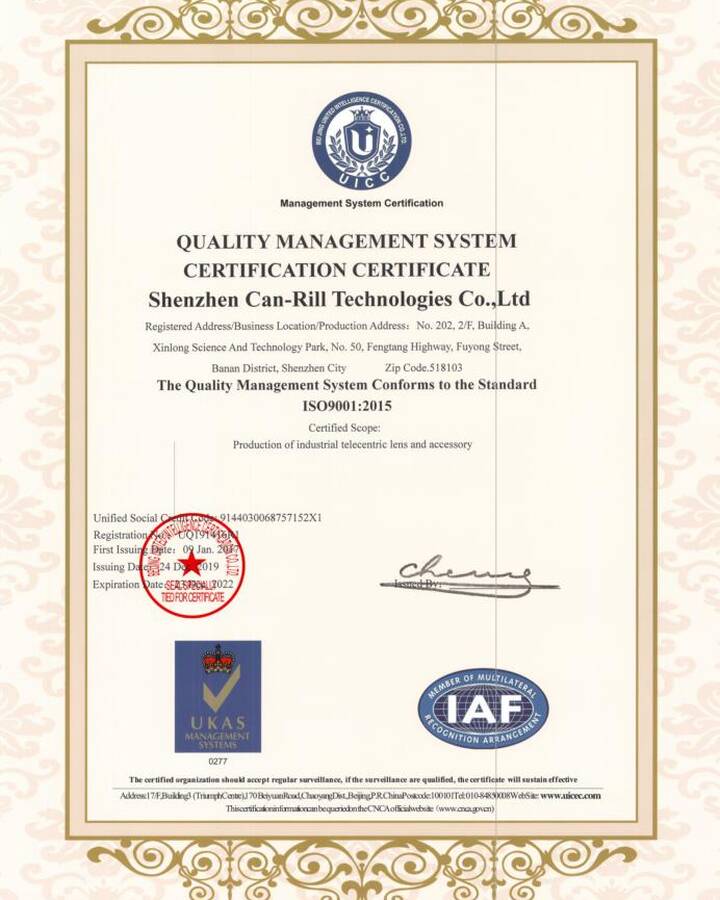 Canrill ISO 9001
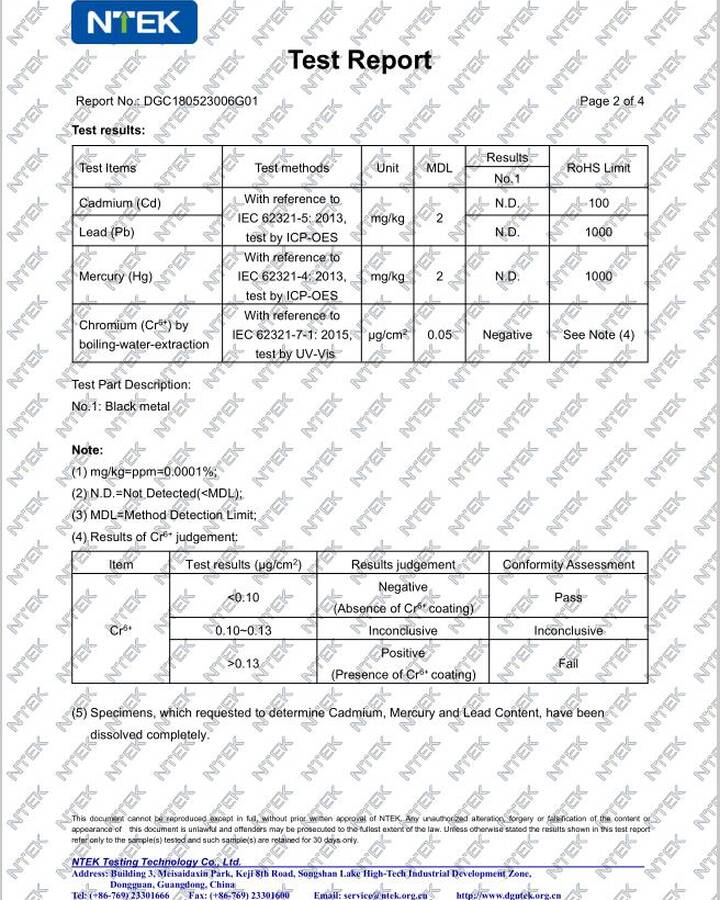 RoHS Cert 1
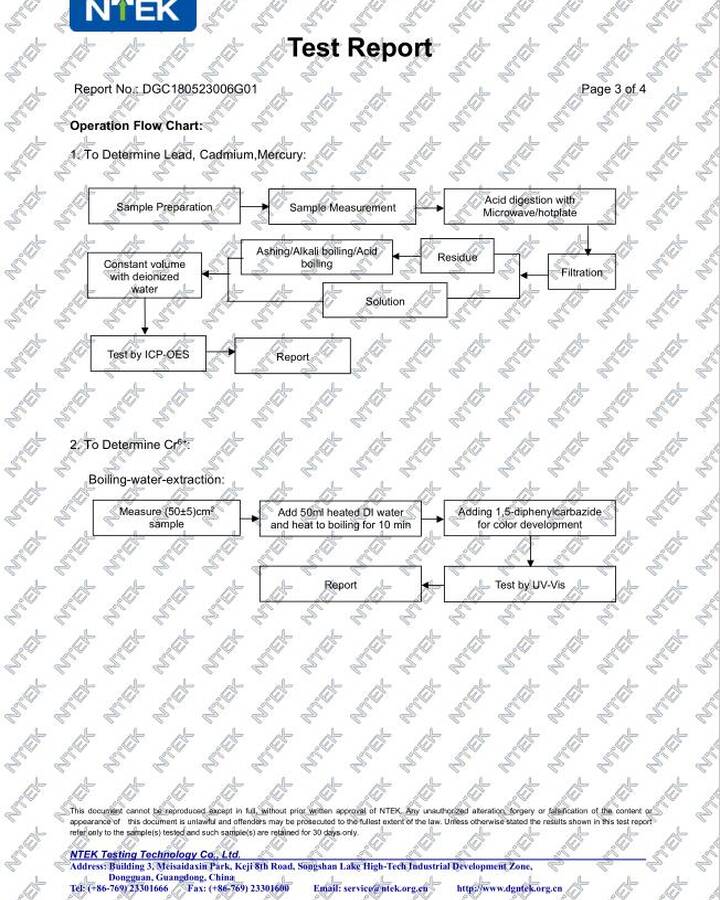 RoHS Cert 2
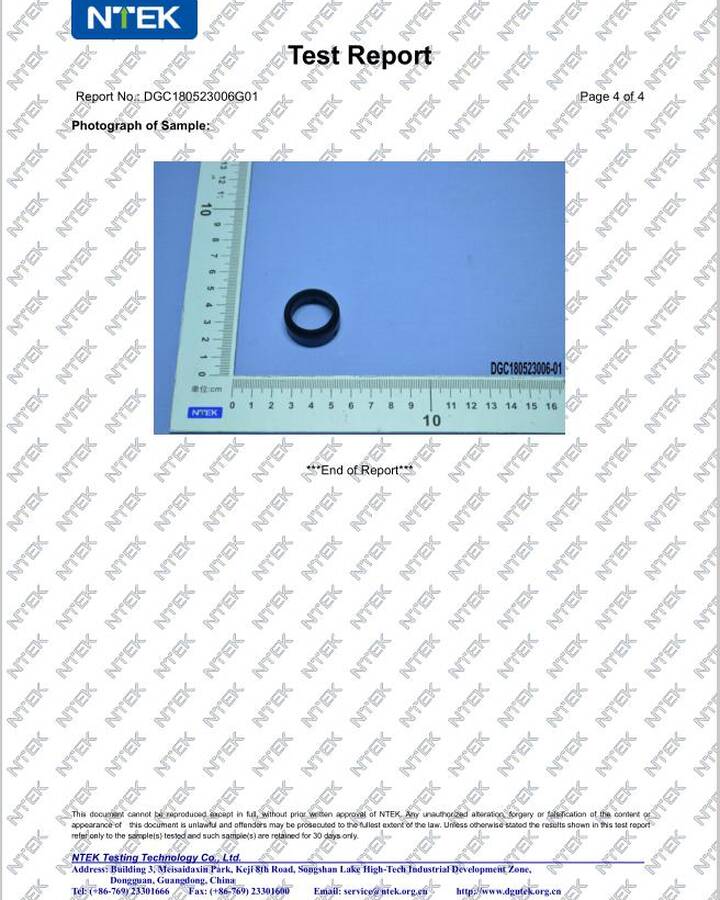 RoHS Cert 3
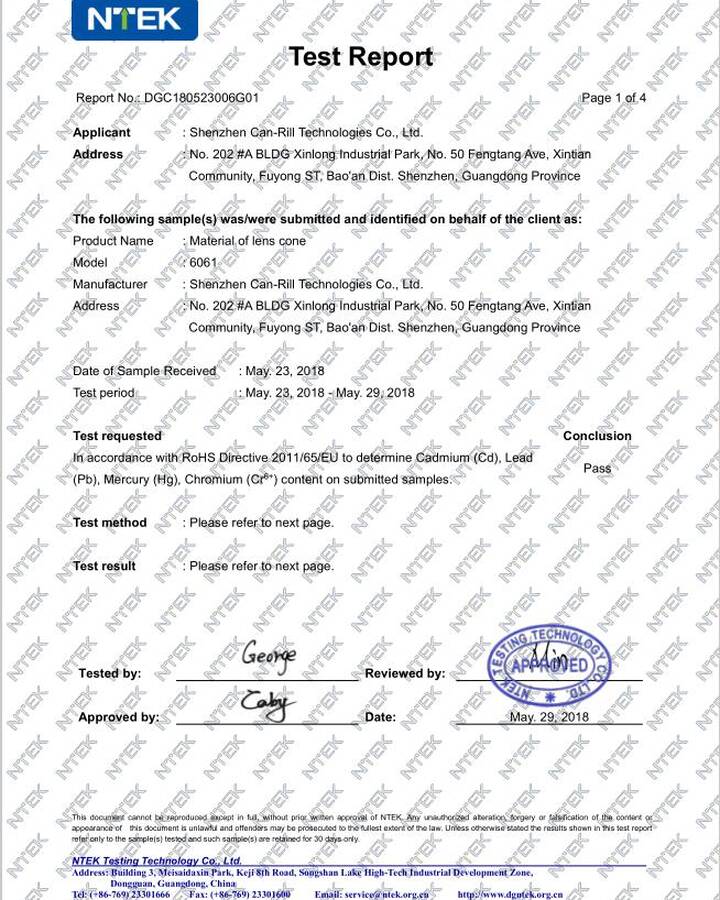 Le


