
Leave Your Message
In the aerospace industry, the integrity of fasteners—bolts, rivets, and screws—is paramount. A single microscopic defect in a titanium alloy bolt can lead to catastrophic structural failure. Modern Lighting Machine for Aerospace Fastener Testing has evolved from simple illumination to complex optical systems designed to reveal sub-micron anomalies.
Advanced lighting machines now utilize Telecentric Technology to eliminate perspective errors. When measuring the thread pitch of an aerospace fastener, standard lighting creates shadows and parallax that distort dimensions. Telecentric lighting ensures that light rays are parallel, providing a sharp, high-contrast silhouette that is essential for precise metrology.
Aerospace fasteners often feature complex thread geometries designed for high-vibration environments. Using a 12K Line Scan Telecentric Lens combined with a specialized lighting machine allows for the continuous inspection of fasteners as they rotate. This setup captures a "flattened" 360-degree view of the threads, detecting micro-cracks or burrs that would be invisible to 2D area sensors.
Fasteners in the aerospace sector are frequently coated with specialized materials like Cadmium or Zinc-Nickel for corrosion resistance. Lighting machines equipped with multi-angle LED arrays can detect uneven coating thickness or "holidays" (gaps in coating) by analyzing the spectral reflectance of the surface.
From manufacturing to creation, we are on the way
Canrill Optics, established in 2009, is the first one to focus on the manufacturing & marketing of telecentric lens and telecentric lens design in China, and the only one to build the complete supply chain with our own mechanical factory and optical factory in industry lens all over the world.
Over the years, as a custom lens manufacturer, Canrill lens has been upgraded four generations with advanced technology and performance, earned the trust from worldwide clients, and have successfully made cooperation with world-famous brands, like Samsung, Apple, LG, Huawei, Han’s Laser, TSMC, etc.
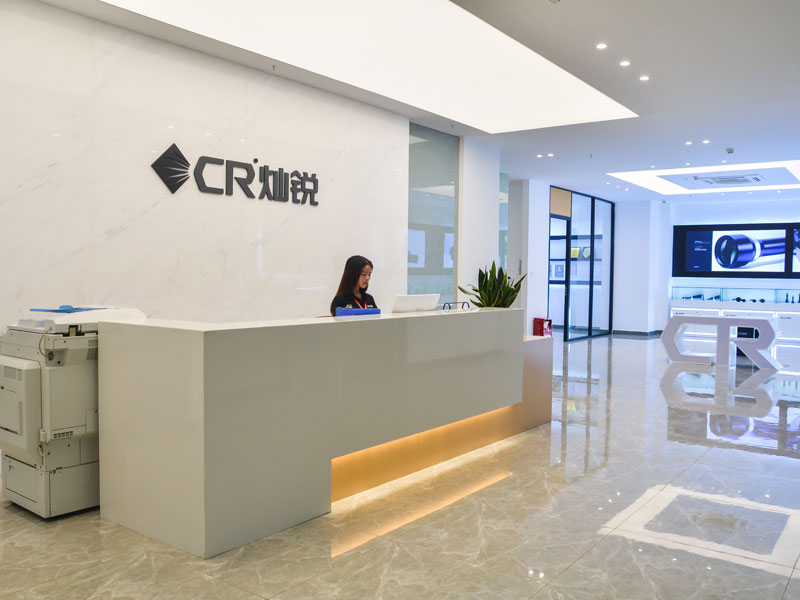
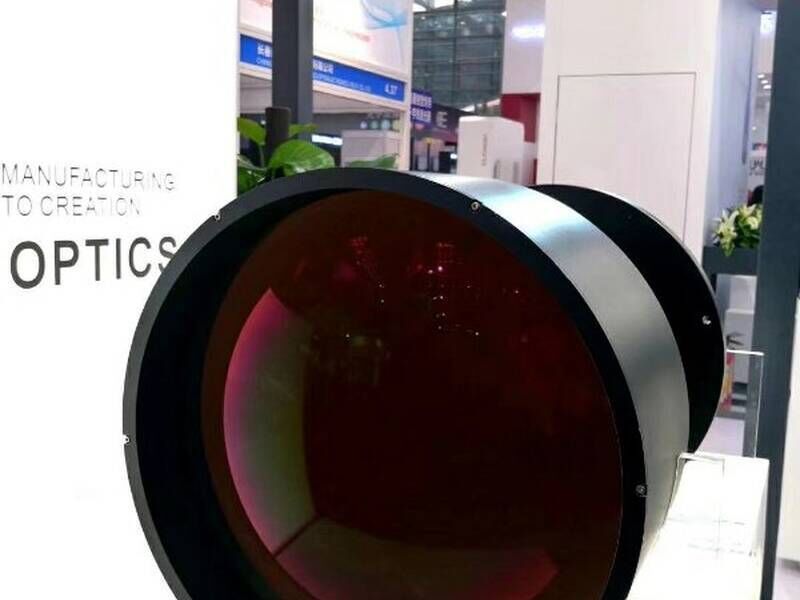
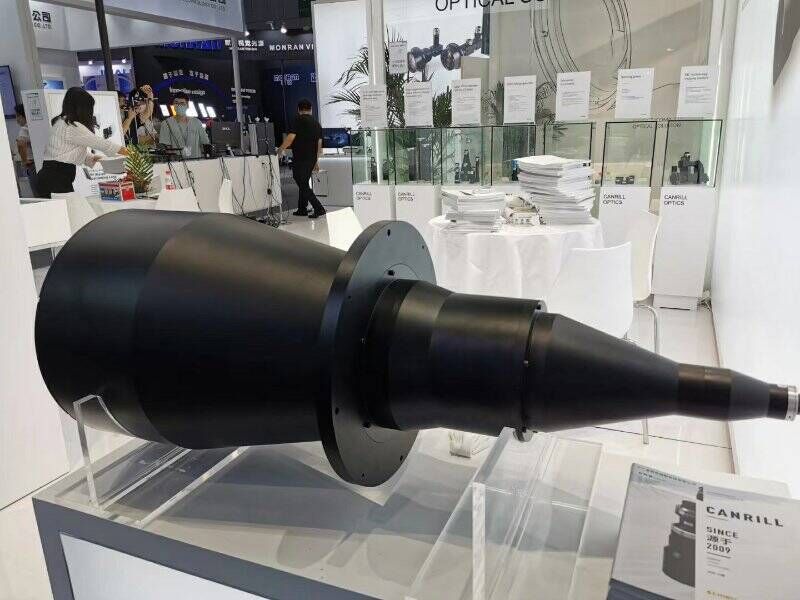

Since founding Canrill in 2009, Simon has been focused on building the worlding leading manufacturer of telecentric lenses. Under Simon's leadership, Canrill has grown into a 100+ person company.

Senior optical designer, with 10+ years' experience in the design and inspection of telecentric lens and lights, driving innovation in aerospace testing.

15+ years' experience in mechanical design, ensuring the structural precision of our lighting machines and lens housings.
The transition to 151MP high-resolution sensors in machine vision has revolutionized fastener testing. In aerospace, where a crack as small as 5 microns can lead to fatigue failure, resolution is the difference between safety and disaster. When paired with a 12K line scan lens, our lighting machines provide the necessary photon density to resolve these minute features at production speeds.
Furthermore, the Lighting Machine For Aerospace Fastener Testing must be robust. Aerospace manufacturing environments can be harsh, with vibrations from nearby heavy machinery. Canrill Optics ensures that every lens and light assembly is built with industrial-grade materials, maintaining optical alignment even in demanding conditions.
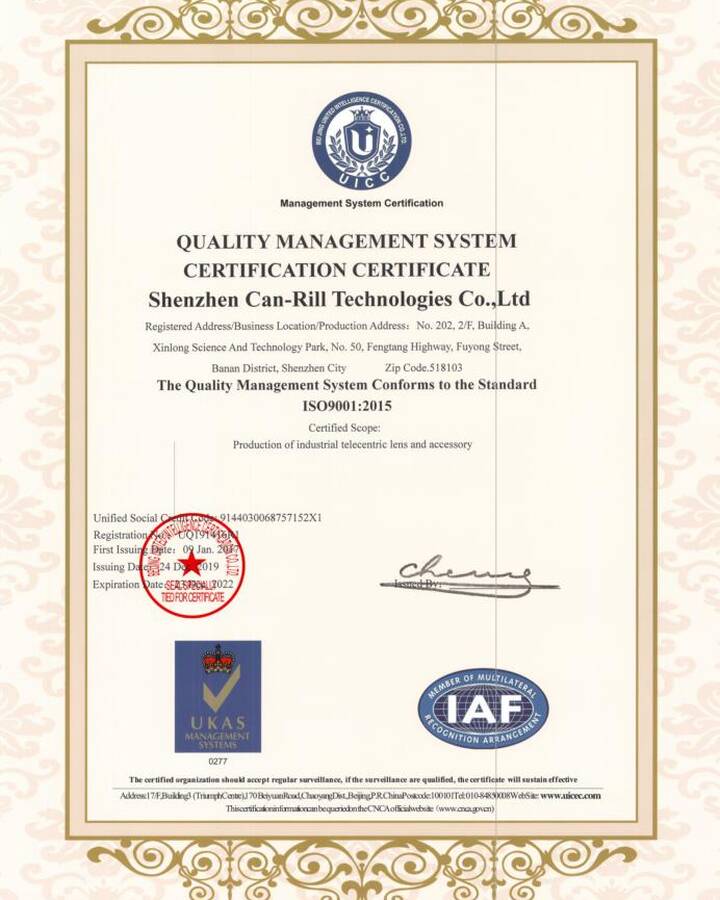
Canrill ISO 9001
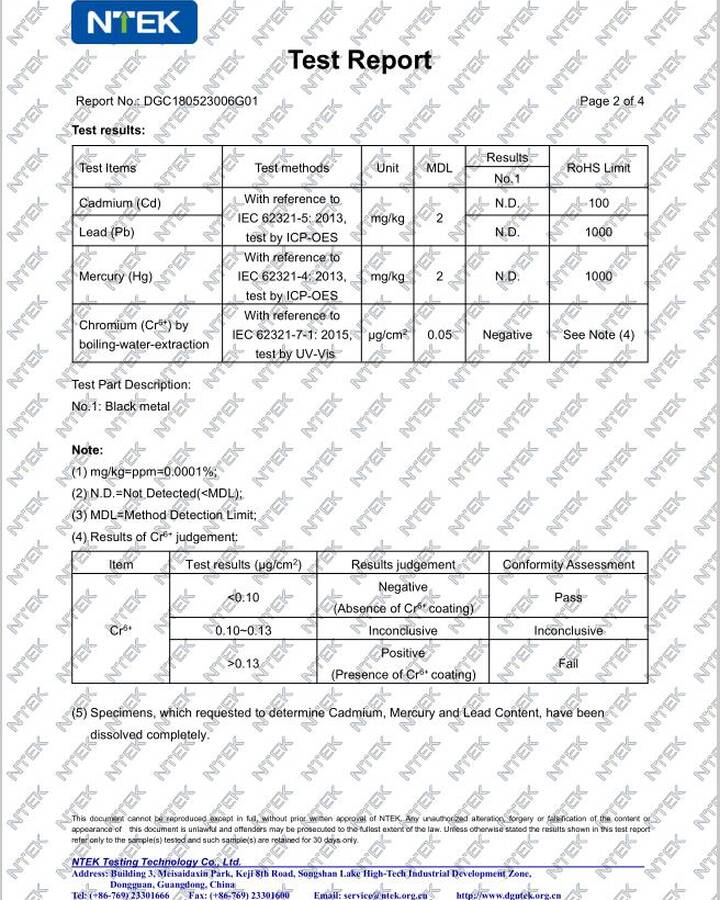
RoHS Certificate 1
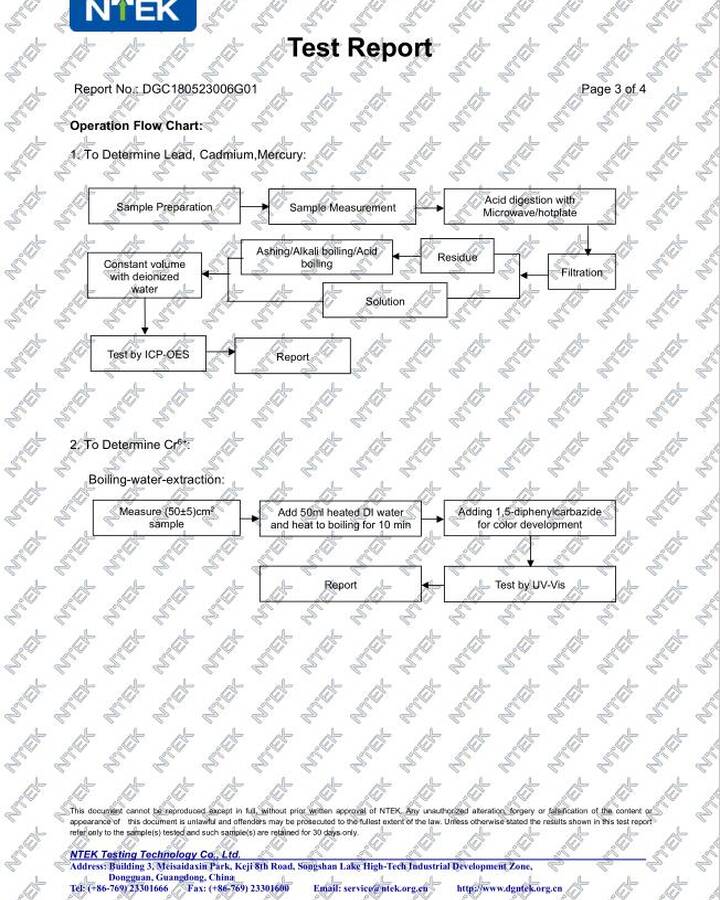
RoHS Certificate 2
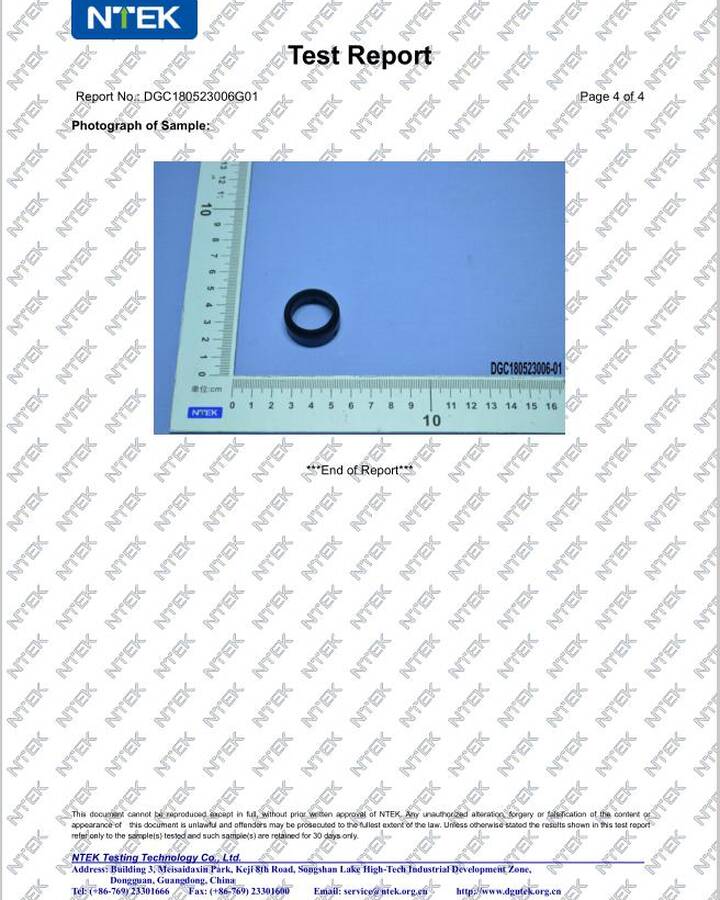
RoHS Certificate 3
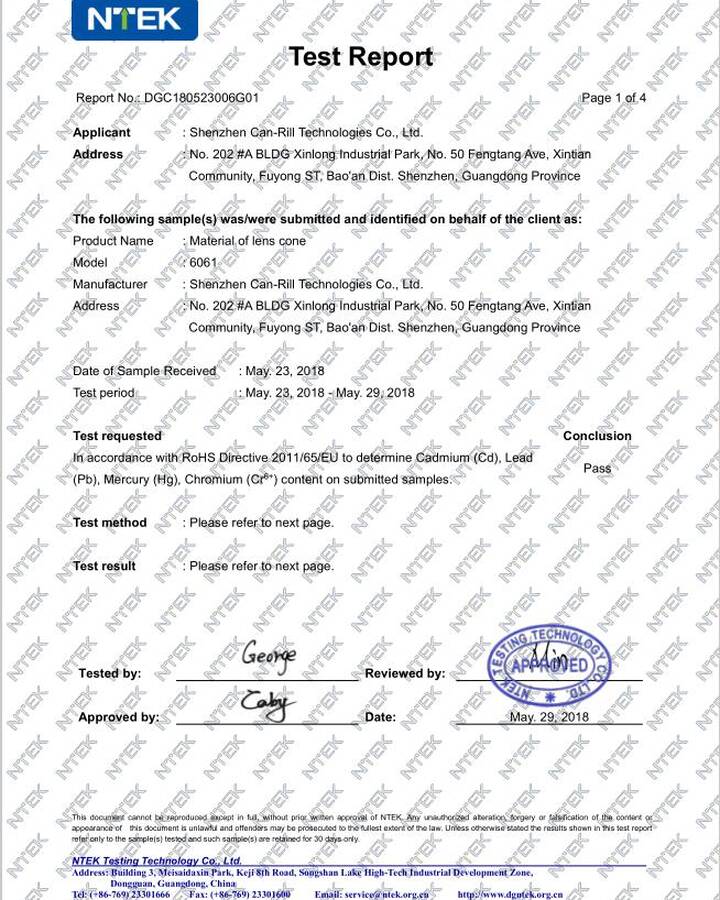
RoHS Standard
As we look toward the future, the integration of Industry 4.0 and Smart Lighting Machines will become standard. The ability to collect real-time data from the Lighting Machine For Aerospace Fastener Testing and feed it into a global manufacturing database allows for predictive maintenance of cold-heading machines and thread rollers. This "closed-loop" manufacturing reduces waste and ensures that every fastener produced is fit for flight.
Canrill Optics remains at the forefront of this technological shift. By combining our proprietary telecentric lens designs with cutting-edge lighting control, we empower aerospace manufacturers to achieve higher yields and unparalleled safety standards. Our 12K line scan solutions are not just tools; they are the eyes of the modern aerospace factory.
 12K Line Scan Telecentric Lens - Precision Aerospace Testing